
From Exception to Norm: Rethinking Religious Freedom Through the Law of Diversity

  • Post published:

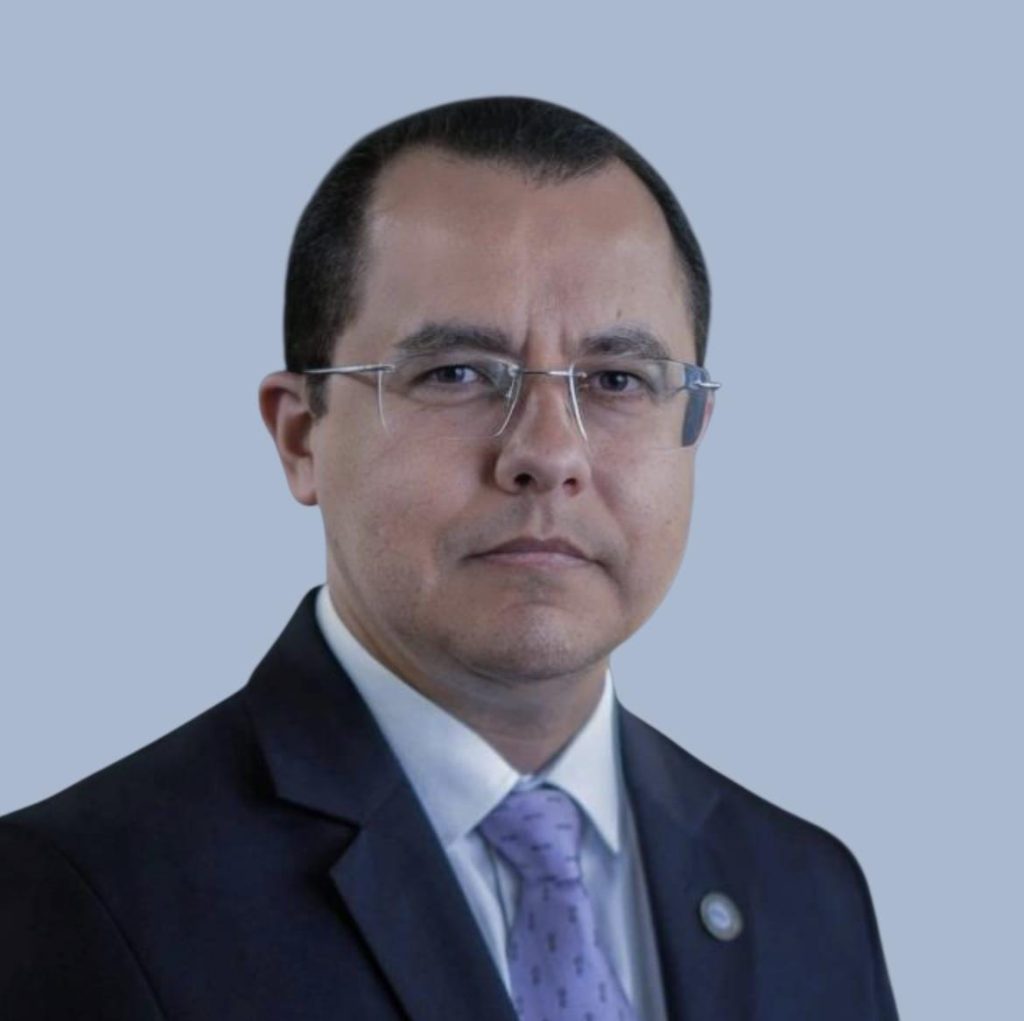
Eugenia Relaño Pastor is Professor of Law in the School of Law, Complutense University of Madrid. The blog post is adapted from her keynote address at the ICLRS 33rd Annual International Law and Religion Symposium held at Brigham Young University, Provo, Utah, 4–6 October 2026.

The theme chosen for this Symposium, “Building an Infrastructure for Freedom of Religion or Belief,” is deliberately architectural. An infrastructure is not a single wall or a single right; it is a system of interdependent supports—legal, institutional, social, and cultural—without which no single structure can stand for long. My argument relative to this theme is that the classical infrastructure we have built around freedom of religion or belief, however monumental, has load-bearing weaknesses that we can no longer ignore. Those weaknesses appear at two levels: first, in the doctrinal architecture of freedom of religion itself; second, in the poorly integrated architecture built for the protection of religious minorities.
(more…)

Continue ReadingFrom Exception to Norm: Rethinking Religious Freedom Through the Law of Diversity

The Quiet Architecture of Religious Freedom at Work

  • Post published:

Fábio Ferreira Nascimento is a Brazilian attorney and PhD candidate in law at the Universidad Complutense de Madrid.

A few years ago, if someone had suggested that multinational corporations would become important laboratories for religious freedom, many scholars of law and religion would have been skeptical.

After all, corporations are not churches. They are not courts. They are not the democratic or civil society institutions we usually associate with protecting freedom of religion or belief (FoRB). And yet that is precisely where some of the most interesting FoRB-related developments are taking place today.

(more…)

Continue ReadingThe Quiet Architecture of Religious Freedom at Work

Interview: Knox Thames on the U.S. Efforts to Advance Religious Freedom Globally

  • Post published:

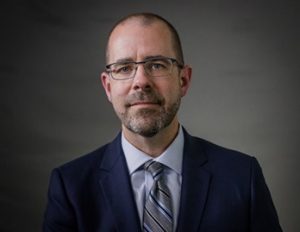
Knox Thames is a Senior Fellow at the Institute for Global Engagement and Visiting Expert at the U.S. Institute of Peace. He previously served as the State Department Special Advisor for Religious Minorities under both the Obama and Trump administrations. He is writing a book on 21st-century strategies to combat religious persecution. Knox Thames was interviewed by Dmytro Vovk.

Watch a shorter video version of this interview here.

TalkAbout: Why is religious freedom an important part of U.S. foreign policy?

Knox Thames: The promotion of freedom of religion or belief, internationally, is a reflection of American values and history. Many of the first European settlers were religious minorities who came to North America because they were fleeing religious persecution in Europe. They were looking for a place where they could freely practice their beliefs and live out their faith, and they found that here in North America. It’s been a part of the American narrative from the very beginning. Once our Republic was established, our Constitution was written, and our Bill of Rights was created, the very first of ten amendments, the First Amendment, was created protecting freedom of religion or belief and preventing the government from interfering into the practice of religion. It was that framework that has served our country very well over 245 years. We have tremendous religious liberty here in the United States. It’s not perfect. But it has continually improved as we’ve become increasingly diverse religiously, ethnically, to allow everyone to pursue truth as their conscience leads.

(more…)

Continue ReadingInterview: Knox Thames on the U.S. Efforts to Advance Religious Freedom Globally