Sociology of Religious Freedom

In 2025, the monograph “A Sociology of Religious Freedom” saw the light. In this series, Olga Breskaya, Giuseppe Giordan, and James T. Richardson, who co-authored the book, provide insights from their study. They define religious freedom as a multidimensional concept, located at the intersection of five areas of meaning: (a) the autonomy of individuals and religious groups, (b) the societal value of freedom of and from religion, (c) the normative principles of state-religion governance, (d) international human rights standards, and (e) the socio-legal impacts of the judicialization of religion. The combination of social and legal perspectives enriches both sociologists and lawyers with a better understanding of how religious freedom operates in times of secularization and the pluralization of Western societies.

Giordan’s posts  set up the theory of religious freedom and explain the aims of sociological studies of this human right. Borrowing from legal sociology, Richardson’s post focuses on the judicialization of religious freedom and the roles of American and European courts in shaping its scope and limits. Breskaya’s contribution discusses empirical methods of investigating religious freedom.

(more…)

Continue Reading Sociology of Religious Freedom
Why Did the Israeli Supreme Court Strike Down Judicial Reform? Commentary by Ori Aronson

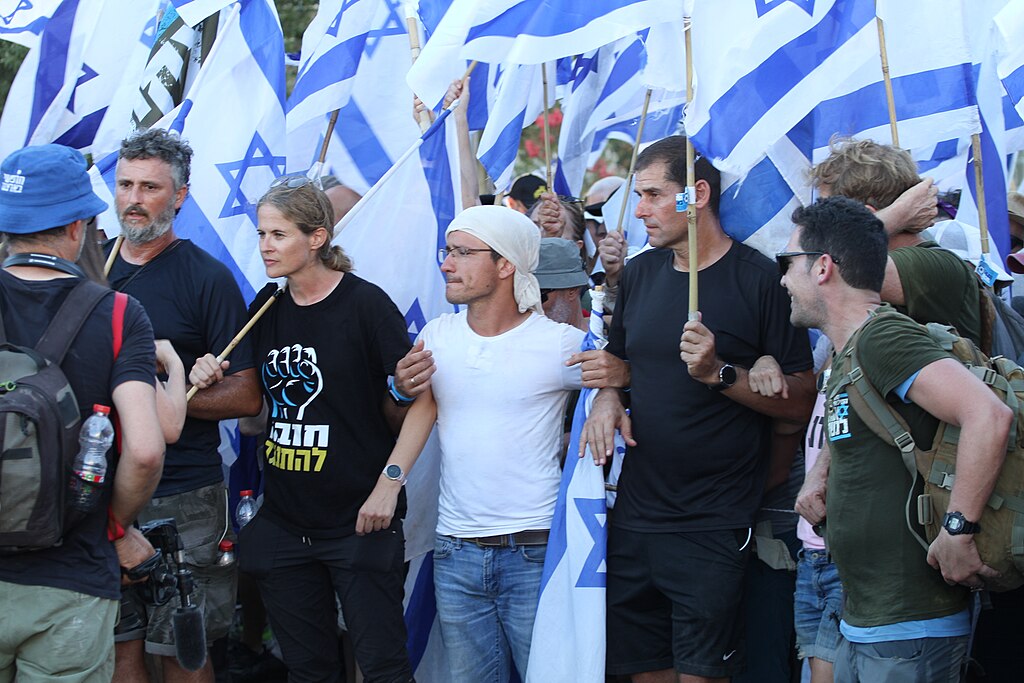
On 1 January 2024, the Israeli Supreme Court in its longest-ever judgment struck down a highly controversial law passed by Benjamin Netanyahu’s government in its attempts to limit the judicial branch. Bar-Ilan University Professor Ori Aronson comments on the main issues of the case, explains the role in this decision of the October 2023 deadly Hamas attack on Israel, and elaborates on whether the government and the right-wing coalition in the Knesset will respect it.

(more…)

Continue Reading Why Did the Israeli Supreme Court Strike Down Judicial Reform? Commentary by Ori Aronson

The Constitutional Crisis in Israel: Religious Dimension

Many observers call Israel’s current constitutional crisis the biggest political challenge for the state since its establishment in 1948. Both parties—the coalition government and the opposition, as well as their supporters—are extremely polarized, with little room for compromise. While the major cause of the crisis (the reform of Israel’s Supreme Court) seems to be purely secular, a deeper look reveals a variety of religious aspects to the crisis.

(more…)

Continue Reading The Constitutional Crisis in Israel: Religious Dimension