The Varieties of Religious Experience: A Philosophically Pragmatic Account of Church-State Constitutional Arrangements

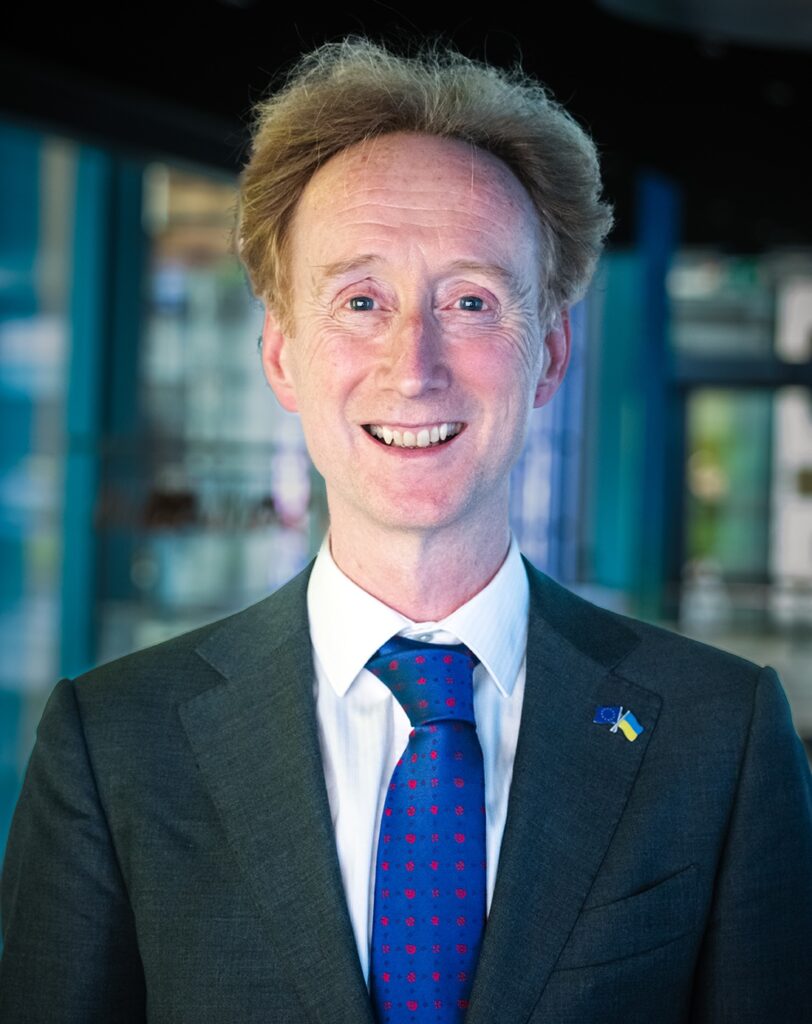
David Kenny is Professor in Law and Fellow at Trinity College Dublin. This post is based on a presentation given at “The Role of Religion in Constitutional Identity,” a workshop cosponsored by the ICLRS, Bar-Ilan University’s Faculty of Law, and the Journal of Law, Religion and State at Christ Church, University of Oxford, 15–16 July 2026.
This post explores the question of whether, and in what conditions, a state might establish an official religion while still guaranteeing freedom for minority religions. I address this question by advancing a (very brief) case for an approach to church-state arrangements and religious freedom based on philosophical pragmatism that offers a clear—if not necessarily immediately helpful—answer. The please excuse the fact that the arguments presented below are necessarily succinct, due to the constraints of the blog format.