Women and Church Governance: What Pope Francis’s Reform Changed—and What it Left Open

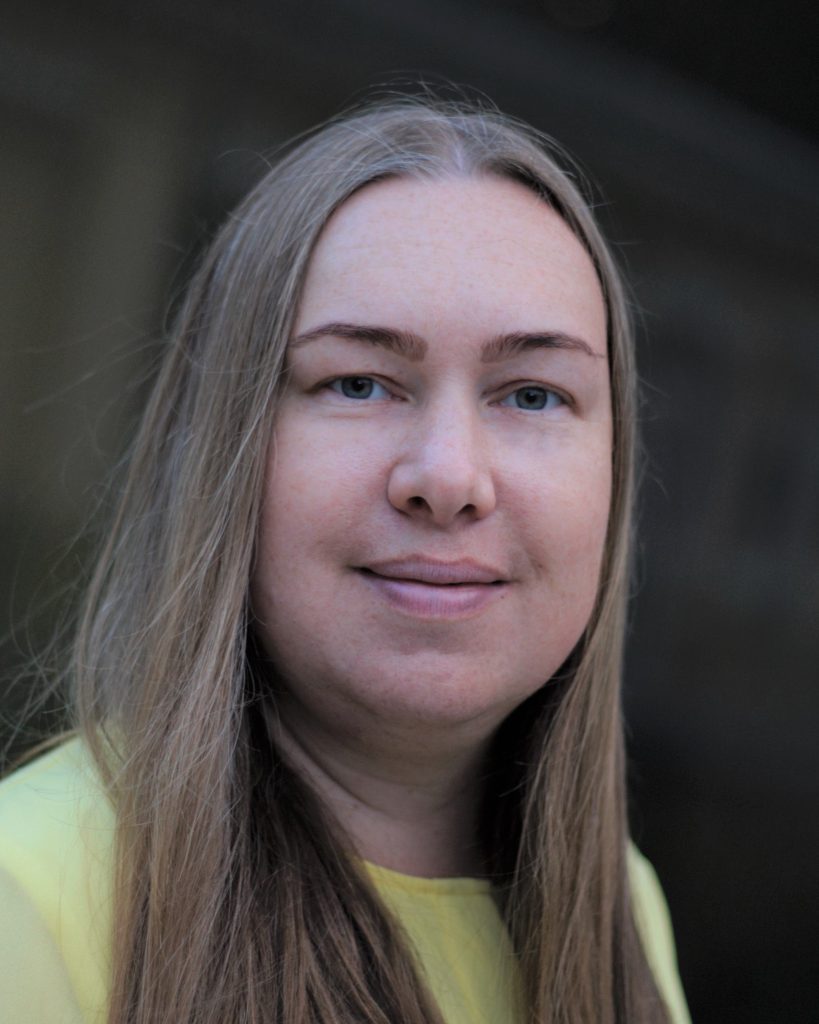
Francisca Pérez-Madrid is Professor of Law and Religion at the University of Barcelona.[1]

Pope Francis once described clericalism as “one of the greatest deformations” in the life of the Catholic Church. It is a strong diagnosis. What is striking, then, is how resistant that clericalism has proven to reform—even after Praedicate Evangelium, the most ambitious overhaul of the Roman Curia in decades.

(more…)

Continue Reading Women and Church Governance: What Pope Francis’s Reform Changed—and What it Left Open

Voicing Sharp Religious Opposition to the War in Iran: A Case Study from the Roman Catholic Community

Thomas Massaro, S.J., is McGinley Endowed Professor of Religion and Society at Fordham University

As this essay is being written, it has been more than a month since the February 28 outbreak of hostilities between Israel and the U.S. (on one hand) and Iran (on the other hand). Public criticism of the war has been widespread. Political opponents (and even some normally supportive voices) have complained about the evident lack of planning, unclear objectives, and seeming disregard for the consequences of launching this “war of choice.” The shifting justifications for launching the war (including incoherent gestures toward the urgency of regime change and terminating Iran’s looming nuclear capability) have proven broadly unconvincing. The April 1 White House address of President Trump, broadcast in prime TV time, added little clarity.

(more…)

Continue Reading Voicing Sharp Religious Opposition to the War in Iran: A Case Study from the Roman Catholic Community