Revival Statutes, Clergy Sexual Abuse, and COVID-19

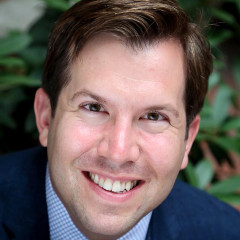
Patrick Hornbeck is Chair and Professor of Theology at Fordham University

In the months before COVID-19 struck, Google news searches on the terms “religion” and “epidemic” returned two sets of stories the pandemic has largely eclipsed. One cluster of articles chronicled the opioid addictions sweeping U.S. communities, while the second reported on revelations about sexual abuse by clergy and other religious workers. The nation’s two largest religious groups, the Roman Catholic Church and the Southern Baptist Convention, confronted patterns of abuse and concealment that victim-survivors and commentators in both traditions characterized as “epidemic” in proportion. Some state legislatures responded by extending statutes of limitations for child sexual abuse and other forms of sexual misconduct, by reviving expired civil claims up to a certain age, and/or by creating revival windows during which victims could pursue any claims against alleged abusers and the institutions that employed them.

(more…)

Continue Reading Revival Statutes, Clergy Sexual Abuse, and COVID-19

Quarantines, Religious Groups, and Some Questions About Equality

Christopher C. Lund is Professor of law at Wayne State University Law School

When the government imposes quarantine orders for public safety, shutting some places down and leaving other places open, how should it treat religious organizations and religious services?  A natural answer is that religious organizations should be treated equally. And that makes sense. Equality is a solid moral principle, with wide-ranging appeal and deep roots in history and in law.

But equality is not self-executing. And the deeper one goes into these quarantine orders, the more that becomes apparent.  We are trying to treat religion equally, but we don’t quite know how. I’m planning a longer piece that will go into more details. But for this blog post, let me simply try to demonstrate two things to you.  First, quarantine schemes require judgments about the value of religious exercise—which is uncomfortable in a system like ours, which tries to keep the government out of such questions.  And second, by insisting that all gatherings of all religious organizations be treated the same way, quarantine schemes become blind to genuine religious differences. We are deciding how much to restrict religious organizations in general by imagining what happens in a religious service, but our imagined religious service ends up looking a lot like a Sunday morning Christian worship service.

(more…)

Continue Reading Quarantines, Religious Groups, and Some Questions About Equality

Law, Religion, and Coronavirus between the United States and the European Union

Alejandro González-Varas is Professor of Public Law in the School of Law of the University of Zaragoza, Spain

Preliminary: Main UE Measures in Relation to COVID-19

Coronavirus has arrived to Europe so suddenly than in the other places in the world. The European Union had to take quick measures in order to avoid the spread of the virus across the continent. The European Union has tried to support national health systems and counter the socio-economic impact of the pandemic at both national and EU level. It has fostered different measures in many fields, such as Economics, public health, or borders. It supplies updated information in the web about Overview of the Commission’s response.

(more…)

Continue Reading Law, Religion, and Coronavirus between the United States and the European Union