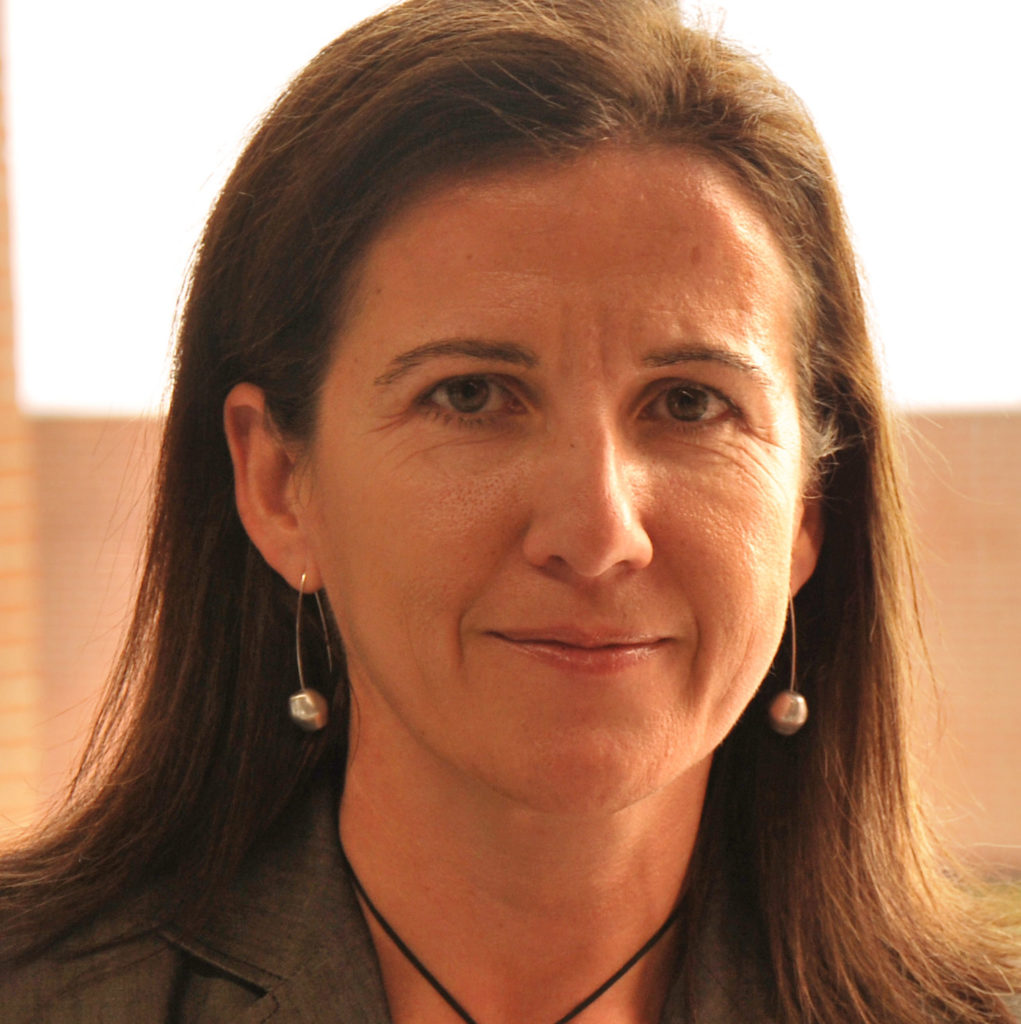
From Dignitatis Humanae to Magnifica Humanitas: Disarming AI to Protect Freedom of Conscience

Montserrat Gas-Aixendri is a full professor of law and religion at Universitat Internacional de Catalunya (Barcelona, Spain).

This post is a part of our series on Magnifica Humanitas.

Pope Leo XIV’s first encyclical, Magnifica Humanitas (MH), offers a broad reflection on the challenges that artificial intelligence poses to human dignity, social life, and the future of human coexistence. The document begins from a fundamental premise: the proclamation of the Gospel cannot overlook the concrete lives of peoples and the new forms of injustice that affect human beings. Leo XIII had already demonstrated this in Rerum Novarum, inaugurating a tradition of Christian social thought attentive to the transformations of its time. If that Pope identified the workers’ question as the great social challenge of the first industrial revolution, Leo XIV regards artificial intelligence as one of the great res novaeof the twenty-first century, demanding appropriate moral and legal discernment (MH, para. 17).

(more…)

Continue Reading From Dignitatis Humanae to Magnifica Humanitas: Disarming AI to Protect Freedom of Conscience

“Freedom of Religion or Belief” is Dead

Pasquale Annicchino is a senior assistant professor of law at the University of Foggia (Italy). He is a member of the OSCE/ODIHR Panel of Experts on Freedom of Religion or Belief.

 How many times have we used the phrase “freedom of religion or belief”? Could it be that we have been mistaken in employing that phrase all along? The rapid pace of technological change might necessitate a reevaluation, bringing us back to the original phrasing in Article 18 of the Universal Declaration of Human Rights: “freedom of thought, conscience and religion.”

(more…)

Continue Reading “Freedom of Religion or Belief” is Dead

The Sacralization of AI and the AI-zation of the Sacred

The presence of AI, in the form of smart technologies and machines, is rapidly becoming an intrinsic part of our lives. It teaches, guides, advises, and entertains us, and at times seems to know better than we do which media best fit our own views or what we want for dinner. It also threatens to further polarize human societies by locking individuals and groups into their own political and ideological bubbles without the opportunity, or even the intention, to interact civilly with “opponents.”

(more…)

Continue Reading The Sacralization of AI and the AI-zation of the Sacred