Secular Constitutionalism: Introduction to the ICLRS Webinar, held December 7, 2020

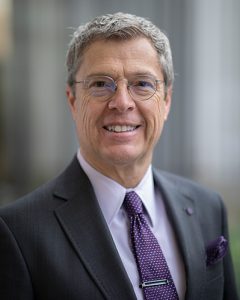
Brett G. Scharffs is the Rex E. Lee Chair, Professor of Law, and the Director of the International Center for Law and Religion Studies, J. Reuben Clark Law School, Brigham Young University. BSBA, MA Georgetown University, B.Phil Oxford University (Rhodes Scholar), JD Yale Law School

The blog/webinar model represents a new and important method for doing meaningful work. We can listen and learn from each other, even when we cannot be physically together, and it allows us to post the work quickly and get it into the marketplace of ideas. This is important with the world we live in, and the rapidly changing situation with COVID. I’d like to thank all of our scholars, thanks to those of you who are joining us to listen, and thanks to those who are speaking. We will be focusing today on secular constitutionalism in Poland, Russia, Germany, and Australia.

(more…)

Continue ReadingSecular Constitutionalism: Introduction to the ICLRS Webinar, held December 7, 2020

The Symbolic Significance of God in the Australian Constitution

Dr. Alex Deagon is a Senior Lecturer in the Faculty of Law at the Queensland University of Technology

The preamble of the Australian Constitution states that the people of the six self-governing colonies agree to federate into a Commonwealth while ‘humbly relying on the blessing of Almighty God.’ While the post in this series by Nicholas Aroney discusses some of the history behind and legal implications of this recognition of God in the preamble, my post will focus on the symbolic significance of recognizing God in the preamble of a liberal, democratic constitution [1].

(more…)

Continue ReadingThe Symbolic Significance of God in the Australian Constitution

God, Religion, and Faith in the Australian Constitution

Copiright Parlament House Canberra

This series develops the theme we were discussing in one of our previous conversations: the normative, interpretative, political, and symbolic role of mentioning God, the Trinity, and other sacraments in secular constitutions. While Nicholas Aroney discusses the historical aspect and legal implications of recognizing God in the Australian Constitution, Alex Deagon explores constitutional identity issues including the symbolic significance of mentioning God in secular constitutions for strengthening political legitimacy and enhancing democracy.

(more…)

Continue ReadingGod, Religion, and Faith in the Australian Constitution